
Top trends and news about paid media and growth through the lens of industry leaders
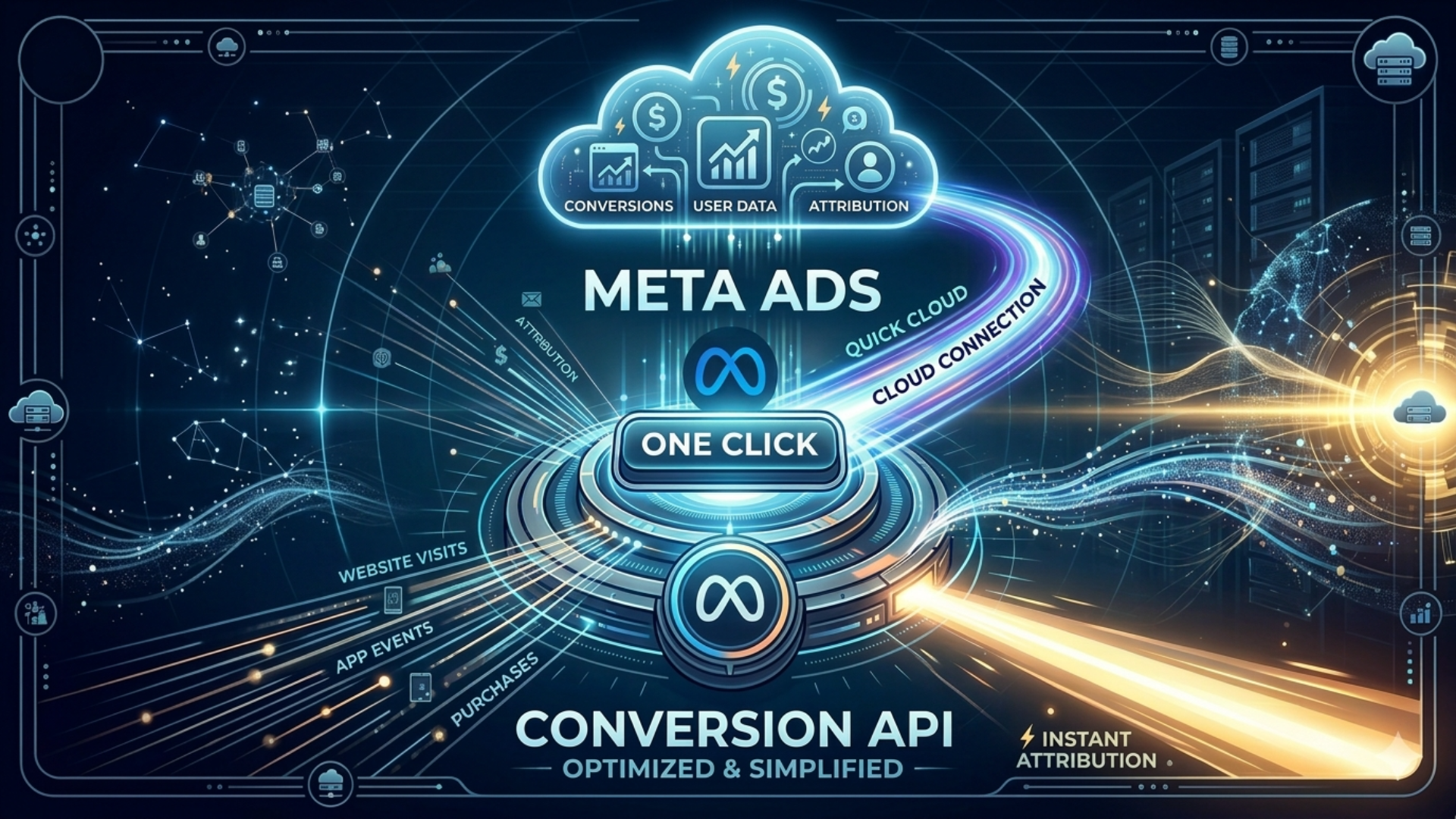
Meta Simplifies CAPI and the Pixel With One Click: More Signal for Everyone, But Mostly for Meta
Meta launched a one-click Conversions API setup and a Pixel that auto-enriches data with AI. Google did the same thing five days earlier. Both platforms are simplifying measurement at the same time because both need more signal to feed their optimization models in a post-iOS ecosystem that is running out of browser data. If you did not have CAPI, this is a no-brainer. If you already did, the question is what the AI enrichment changes and who controls the data.

X Ads Manager Got a Makeover: New Dashboard, AI Targeting, Vertical Video. But the Migration Broke Things.
X redesigned its Ads Manager with real improvements: AI targeting, vertical video, unified dashboard. The product is better. But the migration brought data discrepancies between API and dashboard, a policy overhaul with 35% rejection rates, an aesthetic scoring system that financially penalizes non-compliant creative, and a global outage during the rollout.
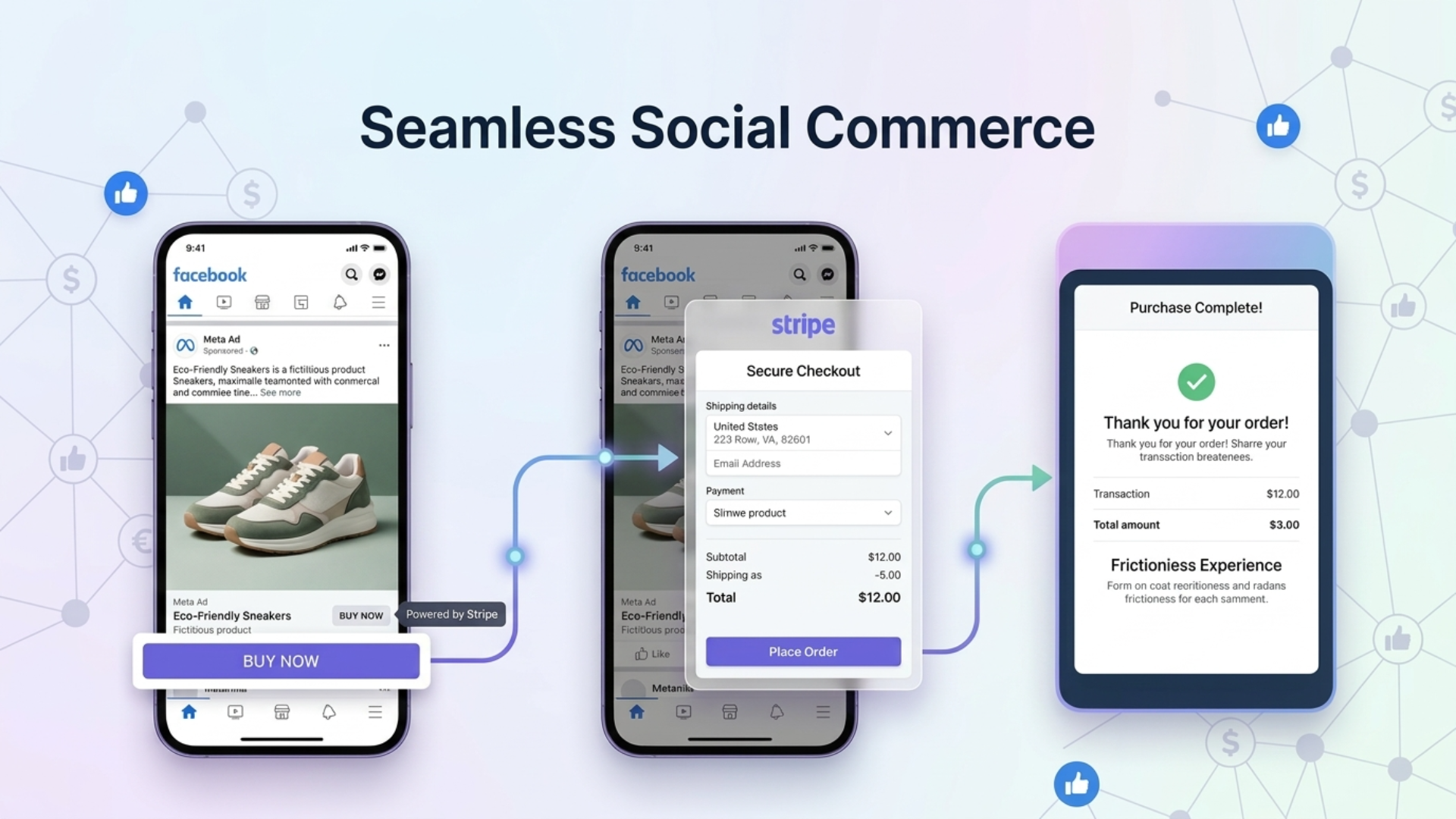
Stripe Enters Facebook Ads: Native Checkout, the Agentic Commerce Protocol
Stripe launched native checkout inside Facebook Ads where users can buy without leaving the app. This isn't just a payments feature: it's the first concrete step toward a model where the funnel compresses to ad-to-checkout. For paid media teams, the urgent question isn't whether to activate, but how to measure when the click to your site disappears.
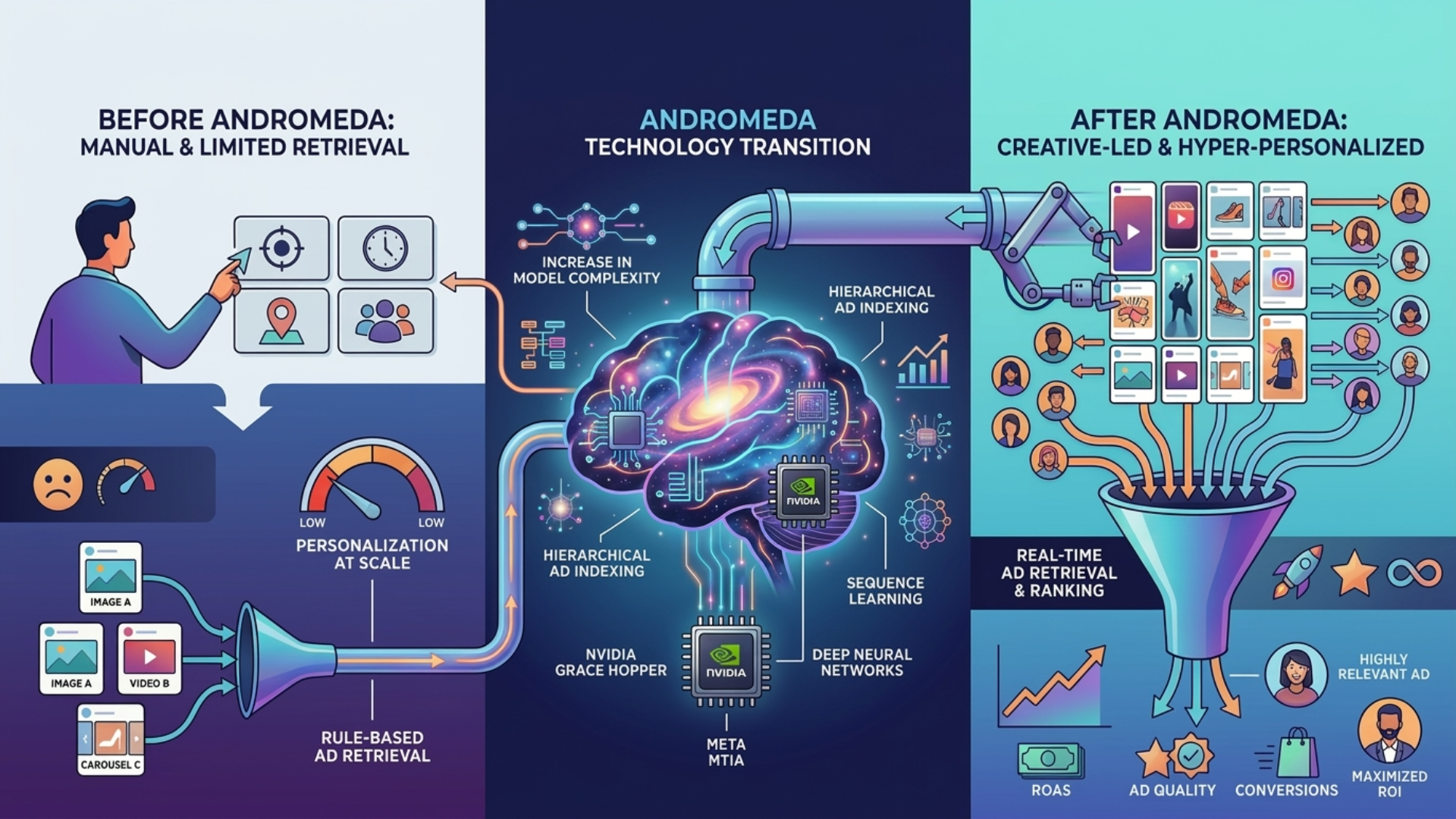
Meta Andromeda: real revolution in ad delivery or black box with better marketing?
Andromeda radically expanded how many ads compete for each impression on Meta, feeding Advantage+ with more data and more options. The operational response depends on team size, budget, and tolerance for concentration risk.

PostHog and the Future of Product Analytics
PostHog has consolidated into a single open-source product the capabilities that previously required four or five vendors, and the capital market has validated this with a $1.4 billion valuation. The model works especially well for technical teams in the startup and SMB segments, but the "total consolidation" thesis has real limits.

Google Meridian Model for MMM studies
Marketing mix modeling has evolved rapidly, driven by open-source tools that combine econometrics, machine learning, and accessibility. In this context, Meridian, developed by Google, stands out for its Bayesian modeling approach and transparent implementation. But it’s not alone: models like Robyn (from Meta), LightweightMMM by PyMC Labs, and other custom libraries are also part of this wave of analytic democratization. Each has pros and cons depending on use case, team maturity, and available resources—and often the choice simply comes down to technical stack compatibility or internal team preferences.

Infillion acquires Catalina: real purchase data now in Programmatic
Infillion acquired Catalina, the world's largest source of deterministic purchase data: 130 million households, 70 retail banners, $600 billion in annual spending tracked. The data will be exclusive to the Infillion platform. For the US programmatic ecosystem, this consolidates verified purchase data within a single DSP. For LATAM, where that infrastructure doesn't exist at comparable scale, the measurement gap widens while retail media investment grows at 28% annually.

Manus AI in Meta Ads Manager: the platform now also operates your account
Meta integrated Manus AI into Ads Manager as an autonomous agent available to all advertisers. Current capabilities are reporting and analysis, not campaign execution. But the conflict of interest is structural: the platform that sells your inventory now also controls the intelligence layer inside your account.
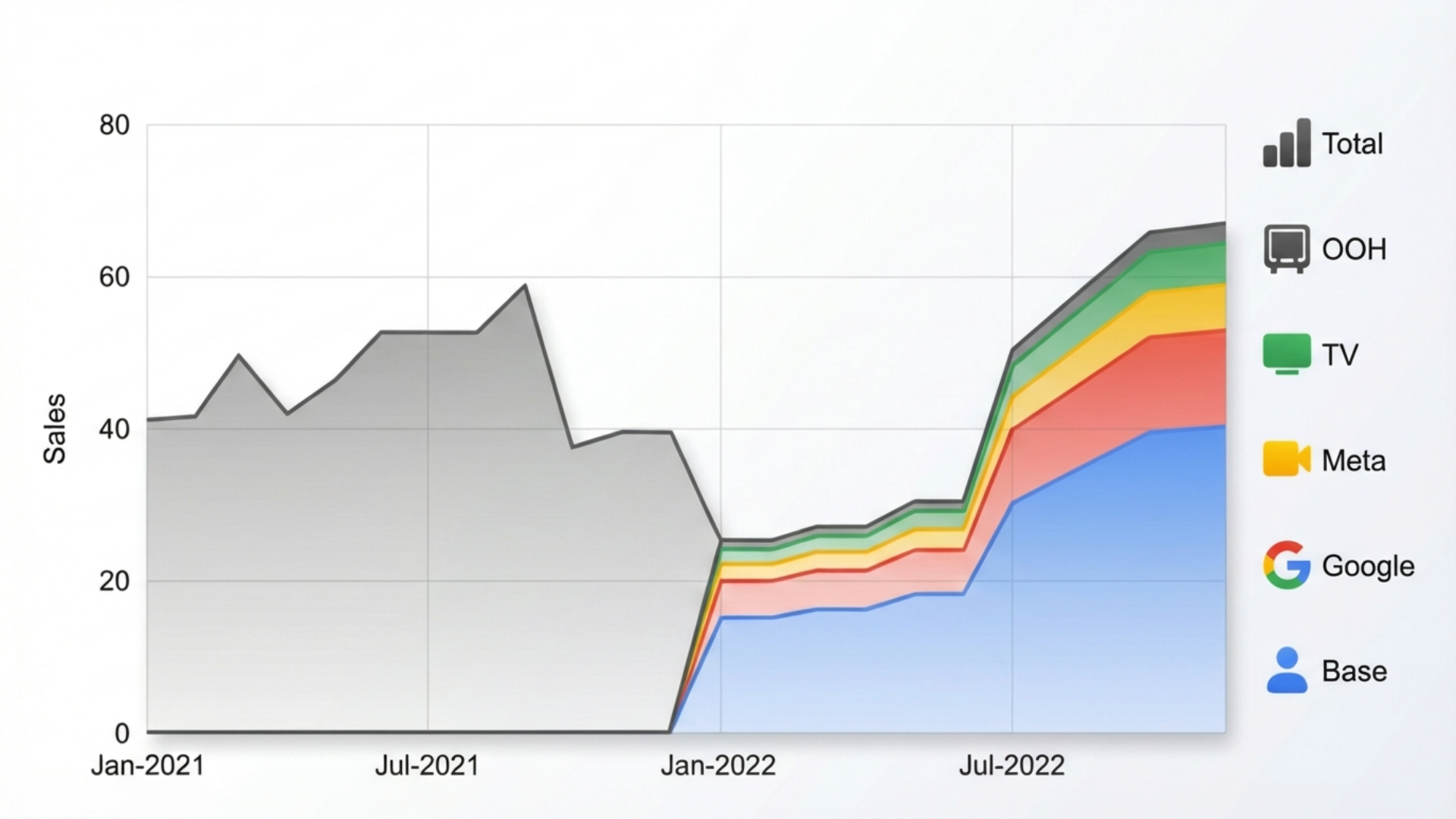
Omnichannel Studies make a comeback powered by Machine Learning
The proliferation of media channels and the increasing importance of data privacy are driving marketers to seek alternative strategies for measuring and optimizing their advertising efforts. In this new context, traditional Marketing Mix Models (MMMs) emerge as a viable alternative to address these challenges, aiding marketing professionals in making data-driven decisions with confidence.

ChatGPT Ads Are Now in Testing: An Operational Update
OpenAI started testing ads in ChatGPT for free tier users in the US. Ads appear below responses without influencing content. There's no buying platform and no performance benchmarks. The honest move today: awareness, not resource investment.
LET'S TALK.
1/4